-
3 Reasons Not to Buy an iPhone Directly from Apple
- Price: iPhones cost more when you buy them new from the Apple store. Even phone carriers will often have some kind of discount or promotion, even if a trade-in is required. On the used market, you’ll pay less for the same phone.
- Environmental Impact: Did you know that making an iPhone requires the use of lithium, which is mined in an environmentally destructive way? Buying a used phone keeps it from becoming e-waste, so that the destruction that was already done in that lithium mine won’t be for nothing.
- Small Business: Buying an iPhone from Apple is supporting a trillion-dollar company. Buying it from literally any other company is supporting a smaller business, and you may have a local phone shop near you with plenty of usable phones in stock. Even going through a third-party seller online is supporting a small business!

-
iPhone 15: USB-C?
Today as I’m writing this the iPhone 15 is expected to launch at the Wonderlust event. The big move this year will be from Lightning to USB-C, for all models! Congratulations Apple, you’ve finally joined the universal standard for charging phones. Now if only everything else you do could be so consumer friendly.
iPhone users have had to deal with a lot from Apple, from slowing down phones to the point they were sued to ongoing right-to-repair issues. Apple did recently start selling repair kits for their phones, which is a step in the right direction, but iPhones will still reject parts that are simply replaced. The screen, for example, will disable true tone and auto brightness, even if it’s swapped for an authentic Apple part. You’ll have to take the phone into an Apple Store or an Apple-certified repair shop to have your phone’s screen work at full capacity.
That said, if we’re talking about the iPhone 15, you’ll have a more pressing issue to look forward to after buying it: the charger. Instead of giving users the option to not receive a charger in the box with their iPhone if they already have one that works, Apple sends out all their devices with just a cable. It will likely be a USB-C to USB-C cable, which may be less useful if people are trying to make use of their USB A power bricks. It isn’t very good for the environment for people to throw out old charging bricks and buy new ones. It would save on packaging waste to ship the charging brick in the box if the user needs it.
What else can I complain about when it comes to iPhones? Well, they haven’t introduced one that folds in half, yet. Samsung has done 5 generations of those, and Motorola isn’t far behind. Even Huawei, which was buried in sanctions, released more than one folding phone. Apple is a much richer company, but I suppose their pie-in-the-sky project this year was the Vision Pro. Maybe after the sixth edition of the Moto RAZR comes out they’ll make a folding iPhone. Only time will tell.
And yet. After all that, I’m still excited for the iPhone announcement. We humans like cycles after all. It’s kind of like a holiday for phone geeks like me. There’s no denying that despite our many gripes, Apple still influences the rest of the market due to the sheer volume of devices they sell every year. From Google and Samsung trying to make their own hardware ecosystems to the companies that have a checkbox on their website that lets you add or remove a charging brick in the box. I only hope they’ll announce good things at this event, which is about to begin.

Photo by Zana Latif on Pexels.com -
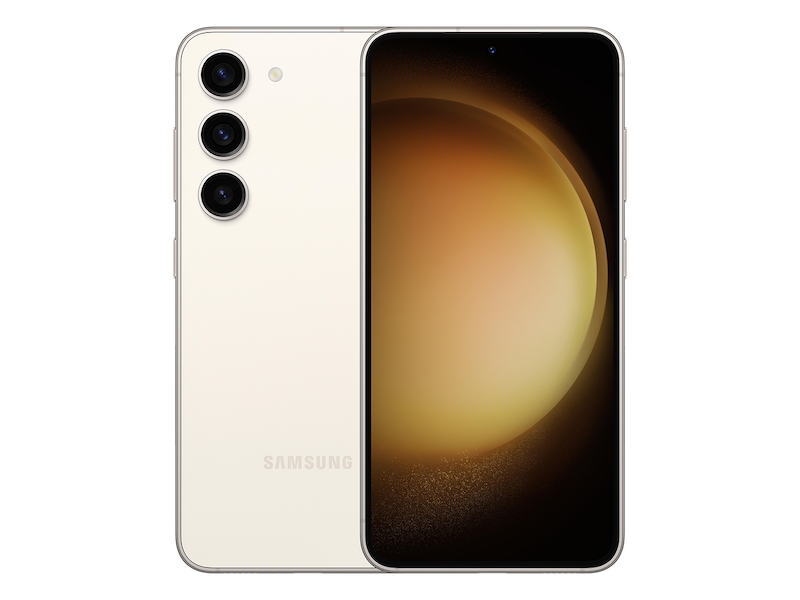
Galaxy S23-Megapixel, Minor Refresh
The Galaxy S23 has just been announced, and beyond the new camera one would be hard pressed to find a difference between it and last year’s S22. If that sentence rings a bell, it’s because it’s remarkably similar to what I said about said S22 last year. This time Samsung updated the design a little, removing the housing for the triple camera array, and equipping that array with a 50 megapixel main sensor. The thing is, that still doesn’t make the S23 the most interesting phone, even in Samsung’s lineup.
The Galaxy Z Fold 4 and Z Flip 4 are much more fascinating, as they can fold in half. Looking beyond Samsung, device makers like Motorola, OPPO, and Microsoft are providing foldable devices with more stylistic and functional differences. The Microsoft Surface Duo 2, for example, uses two disconnected screens to promote multitasking. The Moto Razr 2022 provides a larger cover display. The OPPO Find N2 fits between the large-format foldable, which are closer to tablet size when open, and the flip phone foldable, which is closer to a normal phone size when open. The foldable space has even more products on the horizon, such as the rumored Pixel Fold.
It may come as no surprise, then, that the standard slab phone isn’t seeing much change. Even Google, which used to try something different every year, has released a minor upgrade with the Pixel 7 line. The best we’ve seen is the Nothing Phone 1 with its LED-laden back. The people who are still buying slab phones don’t want experimentation, or something new. They want a phone that works, and maybe has a better camera. The S23 provides just that.
-
Pixel 6 Pro-Worth the Hype?
I picked up the Pixel 6 Pro in the yellowish Sorta Sunny color back in January, and after some time with the phone I’ve come to one conclusion: its software is a bit glitchy. Some of this will undoubtedly be fixed over time, as was the case with the fingerprint sensor. It stopped working after I ran the phone’s battery down and plugged it in again. A software update fixed the problem. Repairing a phone after I’ve already paid for it, however, (while better than not doing it) is disappointing. I would have preferred that it simply worked well in the first place. Make no mistake, even when it’s working the optical fingerprint reader they went with is slower and less accurate than the ultrasonic type used by other manufacturers.
The Pixel 6 Pro comes with a brand new, much trumpeted Google Tensor chip inside, and in benchmarks as previously mentioned it leaves past chips from Qualcomm in the dust. I really want to believe that the app crash problems I’ve encountered, with both Nebula and Google’s own Youtube app, were the fault of the software; I would hate for this new hardware to be a letdown. In addition, the Maps app shows some troubling lag. When the phone is in landscape mode I can’t access the quick toggle settings above my notifications, which is annoying. It’s strange to say, but the Pixel 4A felt more responsive while flicking though menus. It also didn’t crash.
Any discussion of the Pixel series as a whole must eventually include an evaluation of the camera, which this year upgraded from the sensor they used in 2013’s original Pixel to three new sensors: a 50 megapixel wide, a 48 megapixel telephoto, and a 12 megapixel ultra wide. The selfie shooter is 11.1 MP. Overall I consider this a good camera system. It offers plenty of versatility, and the results are usually sharp with great dynamic range.
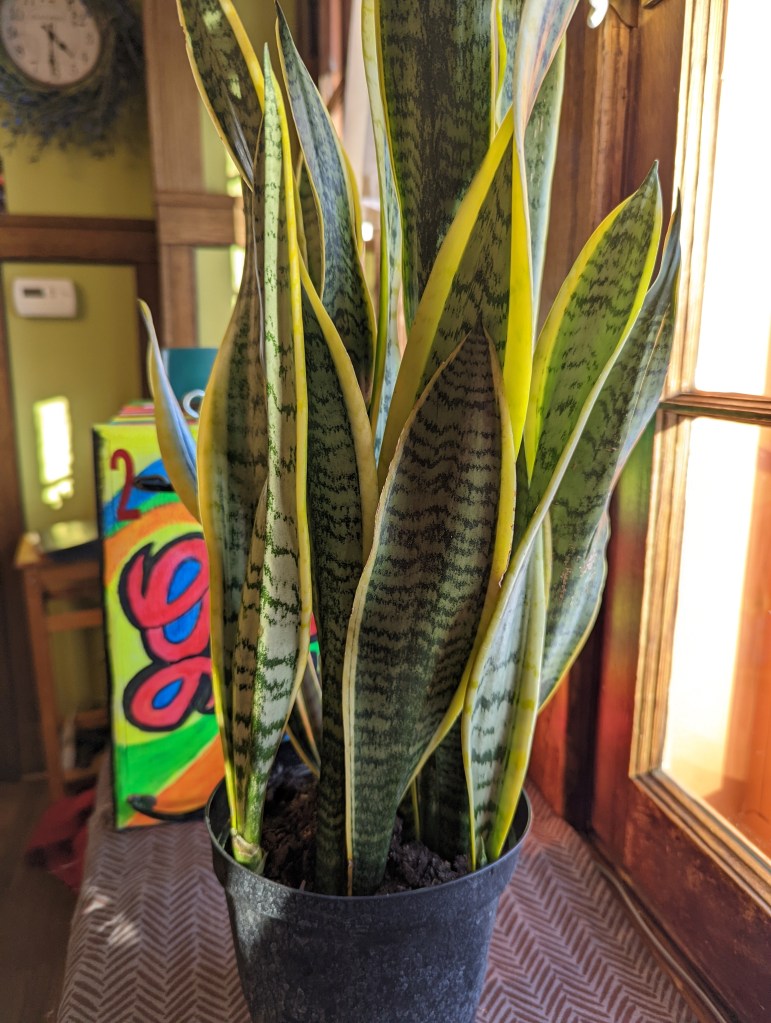
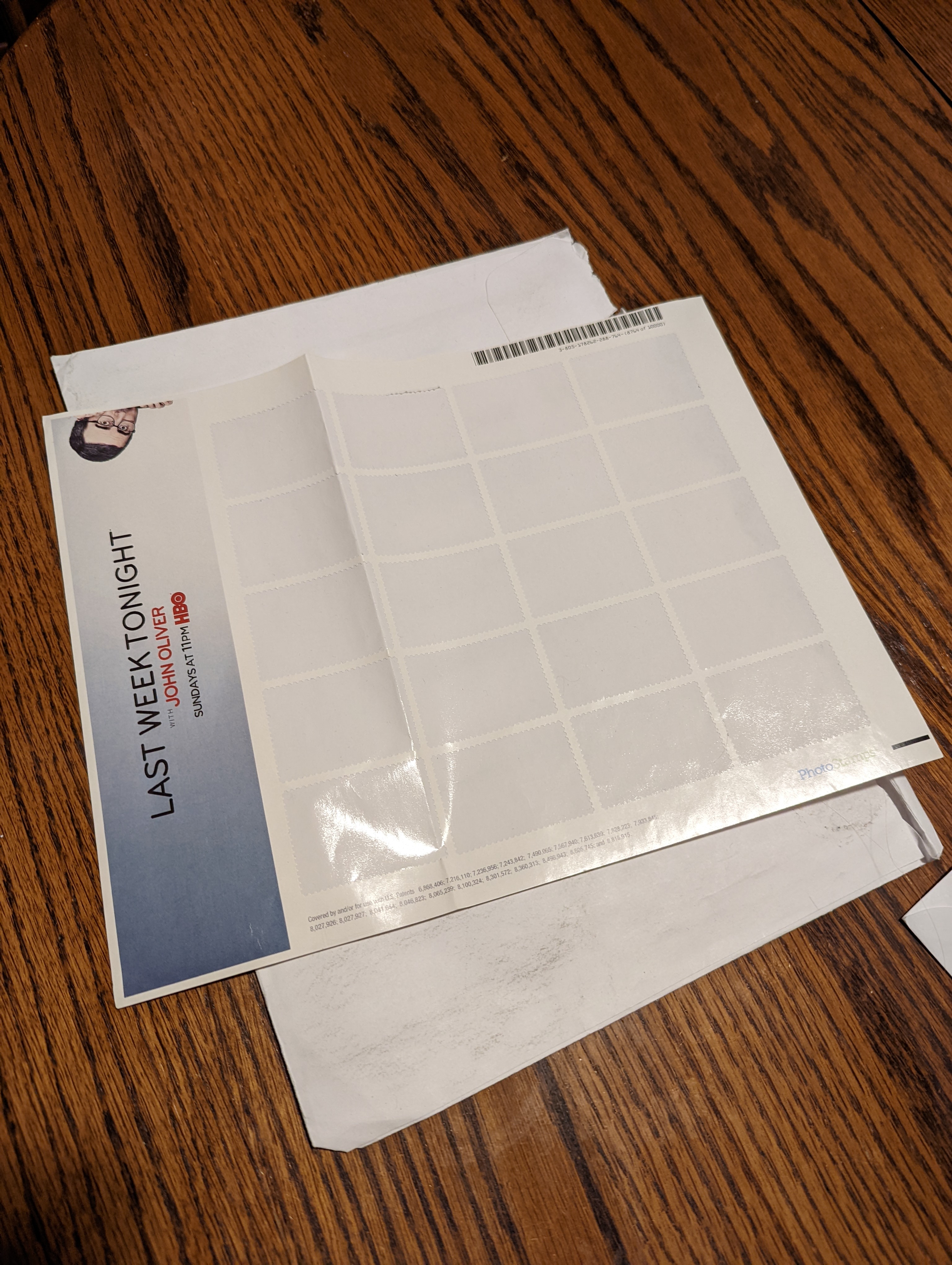



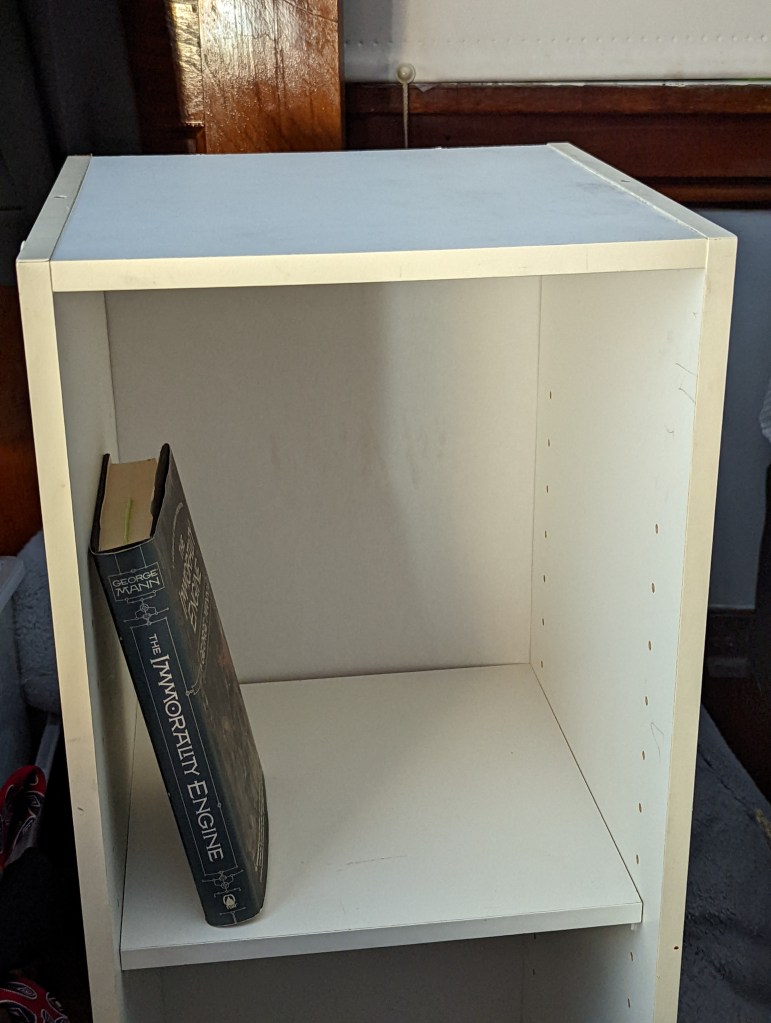
Pictures from my Pixel 6 Pro I was also pleased with the Pixel’s video output. The optical image stabilization makes my camera movements look much more graceful than they have any right to. Click here for my test video.
The fact of the matter is, Google overhauled their flagship phone in a major way in 2021. Whether they continue to focus in order to work out the kinks? That remains to be seen. Watch the reviews on the 6a, and hopefully this time next year I’ll be happier about the 7 Pro. I’m not going to buy it, but I hope it gets good reviews.
-
Galaxy S22-Uninspired
The Galaxy S22 has just been announced, and beyond the expected spec bumps one would be hard pressed to find a difference between it and last year’s S21. There has been a minor cosmetic refresh, but it amounts to less of a change than the S21 was from its own predecessor, the S20. The camera bump on both the S21 and S22 is the same shape, and there aren’t many new colors on offer either. Granted, companies can’t release a phone that’s a giant leap ahead every year, but that doesn’t mean they shouldn’t try.
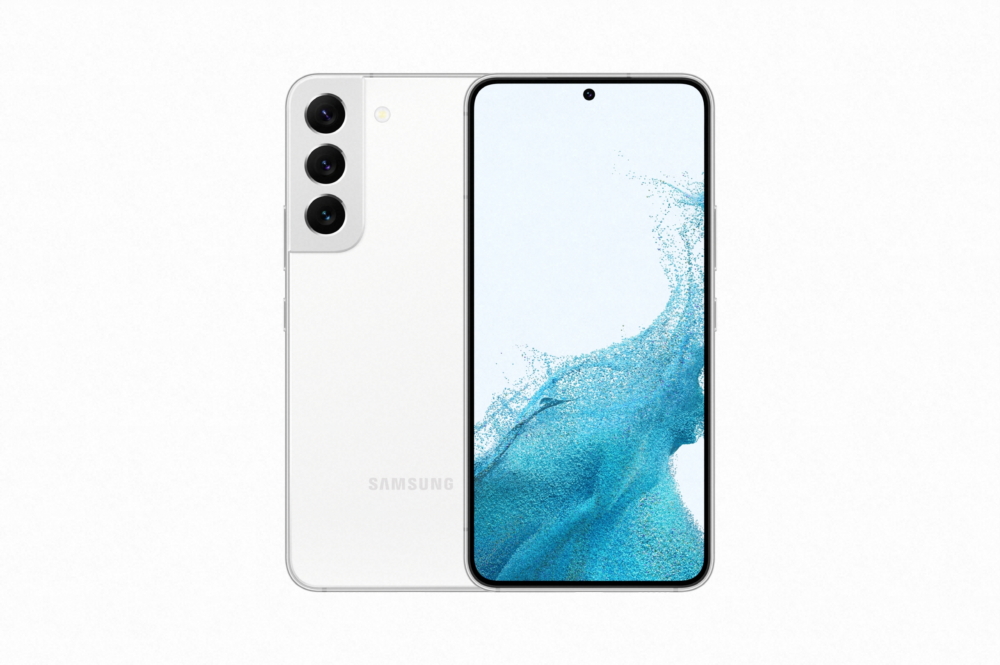
Galaxy S22 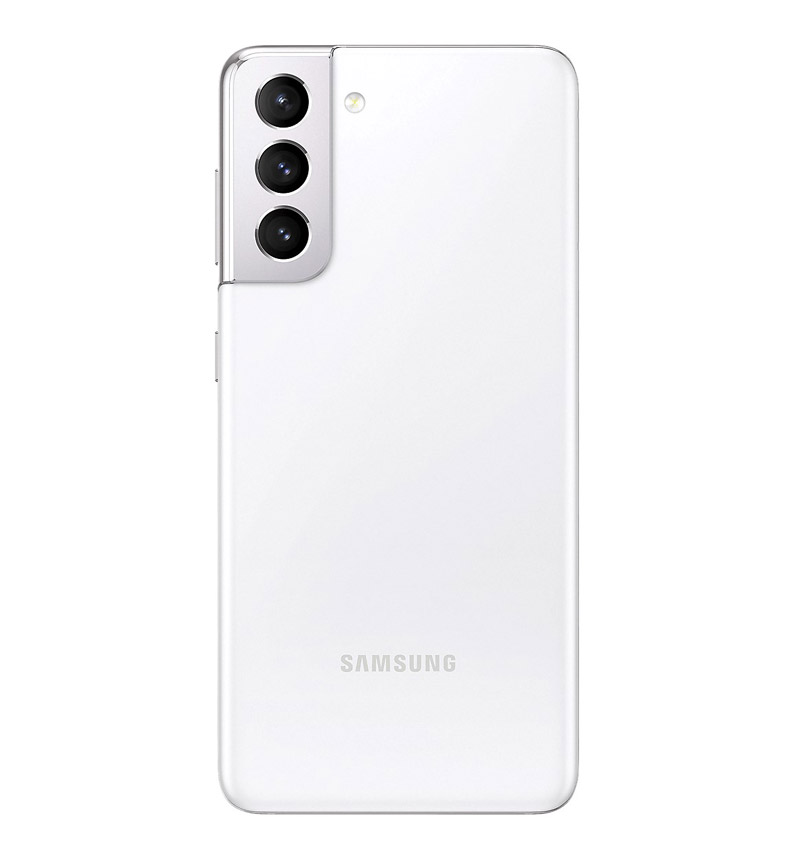
Galaxy S21 The phone ships with a new Snapdragon 8 Gen 1 Processor and 8 gigabytes of RAM. This is marginally faster than the S21’s Snapdragon 888, but most users will notice no difference in day to day performance. The screen refreshes at the same 120 hertz as last year, and has the same resolution. It’s a very minor improvement.
Samsung used to be the company that threw wild concepts into their flagship phones. The S9 had a variable aperture on its camera, physical parts that would move to let in more or less light. The phone also had an iris scanner for easy authentication. It’s easy to say that the company still innovates, pointing to their folding phones, but that innovation used to be in everyone’s hands. Now it’s in the hands of people who can stomach the Galaxy Z Fold 3’s jaw-dropping $1,800 price.
-
Last Year’s Flagship Phone
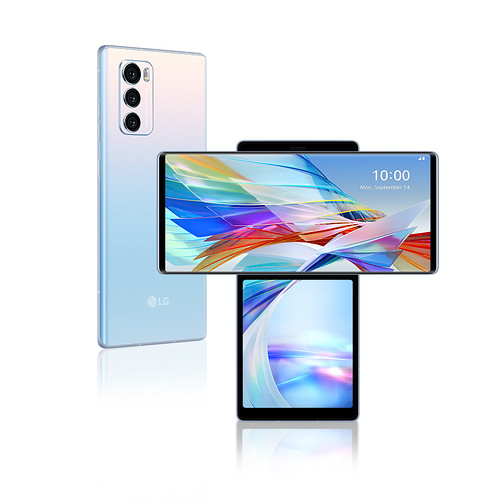
What are the Pros and Cons of buying an old flagship phone? Is it a better deal than getting a current mid-range or budget device? This article will investigate how the LG Wing holds up against today’s tech.
The most important thing a phone can do is run a variety of useful apps. The LG Wing runs Android 10, which came out in 2019. Despite the age of its operating system, the phone can run any app that its modern day counterparts do. It has the Qualcomm Snapdragon 765G inside, which is an upper mid-range chip with a 5G modem built in. There are 8 gigabytes of ram onboard. That’s the same as this year’s Pixel 6. To be fair, the Google Tensor processor in the Pixel 6 blows the 765G out of the water in benchmarks.
Real world performance doesn’t always match benchmarks. Most people don’t run the latest games on their phones. For them, a less powerful chip that makes a phone fly through daily tasks like email, texting, and video chat is more than enough.
-
Subscribe
Subscribed
Already have a WordPress.com account? Log in now.
 Tech Train